Introduction
The 26th had been spectacular weather, all be it a bit windy, with temperatures in the mid 20s. Unfortunately, there were visitors over and other plans had been made. The next day however, I was able to walk the outer track of the route when all of us went on an afternoon stroll. The visitors were interested in the volunteer work I do for Proyecto Lepides and wanted to get a feel of the transect. This meant that I would point out butterflies etc. as we walked the route and we did not do this too intensively by walking into fields etc. We saw quite a lot of butterflies out and we even saw another first-for-the-year species.
A couple of days later I did another “lite” walk of the transect, not walking the two interior dirt tracks. Again I saw a new species for the year.
I will give a very brief account below and the summary will only mention the species seen, most were seen over both days. No mention of numbers as such, as I was not really counting. Both walks were interesting, as they came so soon after a warm period and I was hoping to see the first real signs of a change in the air …
Recorrido A – 27 & 29 03.16 – 30TVN09, Casar de Periedo
The 27th was interesting, as it came after the first really warm day of the year. We went on an afternoon walk and it was around 21C but there was quite a breeze out and it was fresh in the shade.
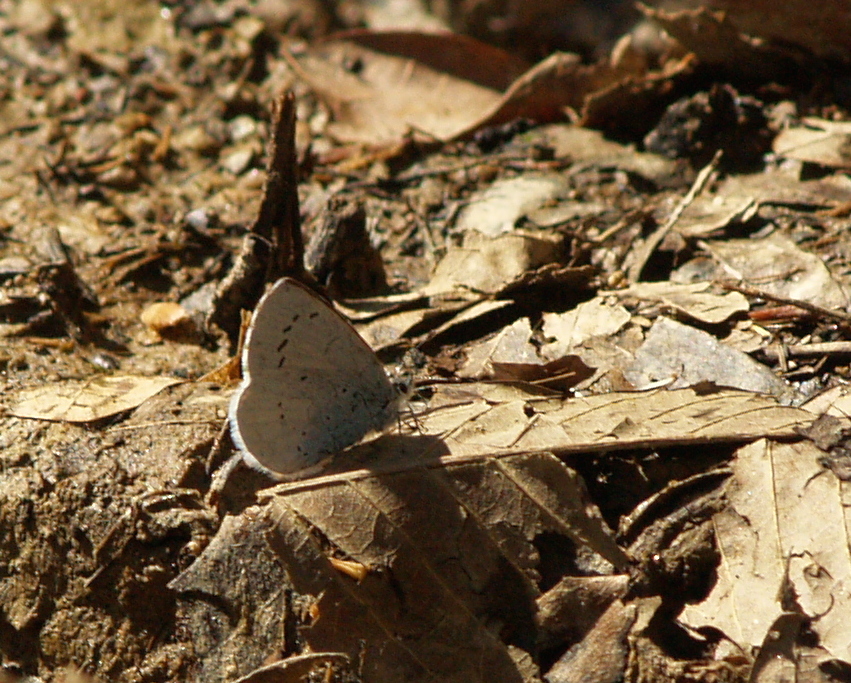
The first butterfly we saw was instantly a new species for the year, Holly Blue (Celastrina argiolus). Not the most common of butterflies here but I did see it on numerous occasions last year. It was sitting on a fallen leaf and did a quick flutter, flashing its crisp blue wings. Normally, I spot these zipping along at great speeds a metre or two above the ground.
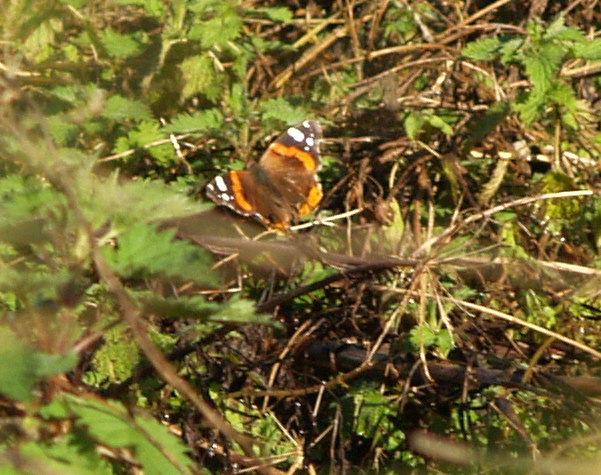
During the rest of the walk there was an abundance of the usual suspects. It was quite an impressive walk for the guests due to the numbers of butterflies seen.
The 29th was similar weather, sunny, with some clouds and the temperature was around 17C with not much wind this time around. The time between the walks was filled with rain. I was able to go a bit more at my own pace this time around and headed out into a field or two, where I spotted the first Small Heath (Coenonympha pamphilus) of the year. Last year I never saw them in great numbers, but it was a butterfly that was constantly present during most of the year.
The other butterflies seen were again the standard ones and in decent numbers.

Highlight of the walk was watching a Stoat (Mustela erminea) criss-cross the road a couple of minutes carrying a bird in its mouth. Difficult to get good pictures, but was able to get a couple from very close by, as it was curious to see what I was doing and came quite close to have a look (safely sheltered in the bramble).


During the walk I’d not been able to identify a couple of butterflies, where this normally irritates me a bit it gave me hope for the coming period. I suspected I saw a skipper and another blue … and maybe an early fritillary, but I couldn’t be sure. A couple of days later it would become clear that my hunch was in the right direction …
Other interesting animals seen:
– Lissotriton helveticus.
– Lacerta bilineata.
– Mustela erminea (Stoat)!
Summary
– Celastrina argiolus – first for the year.
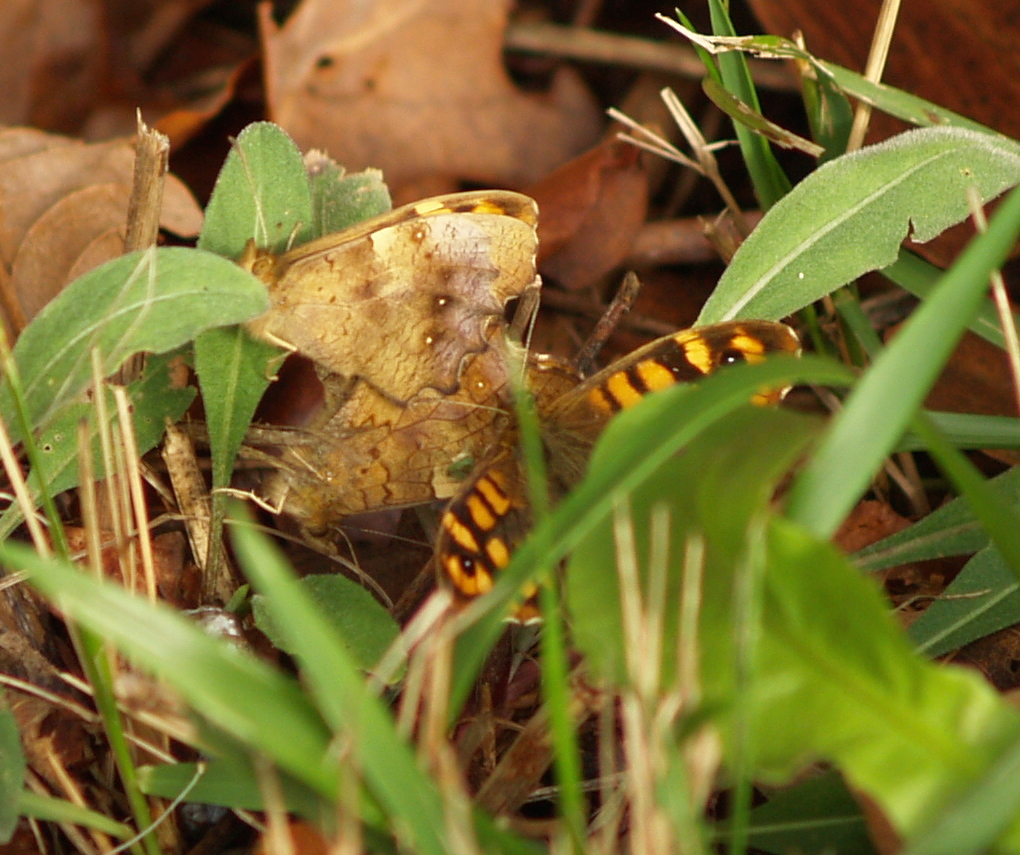
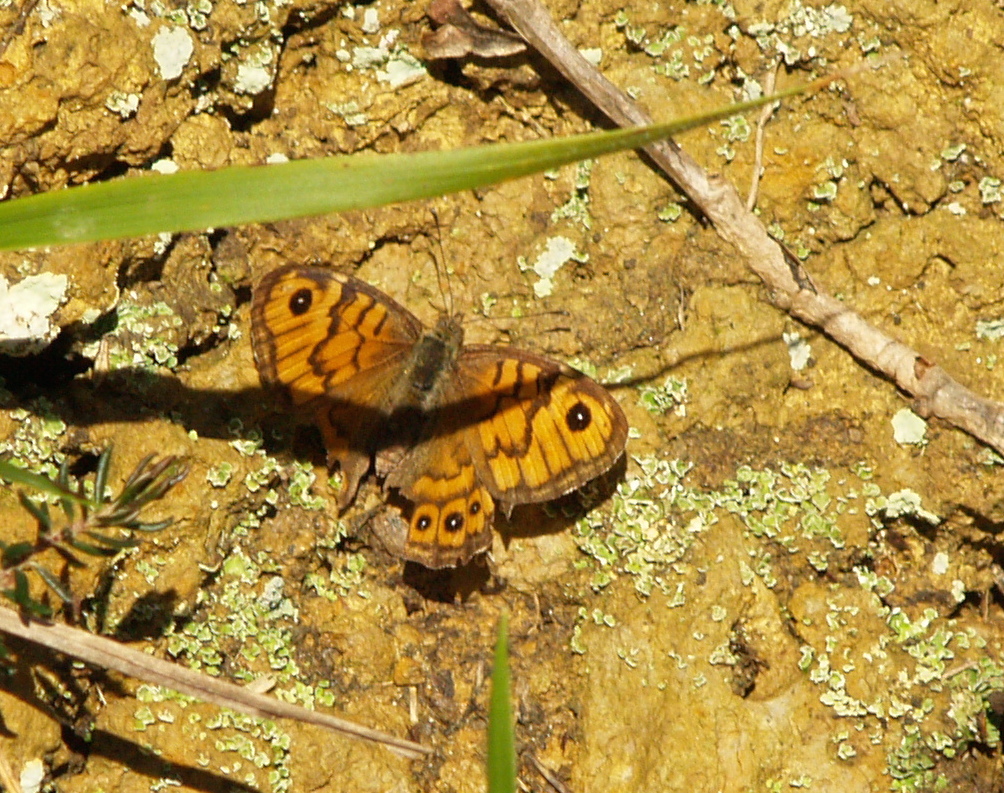
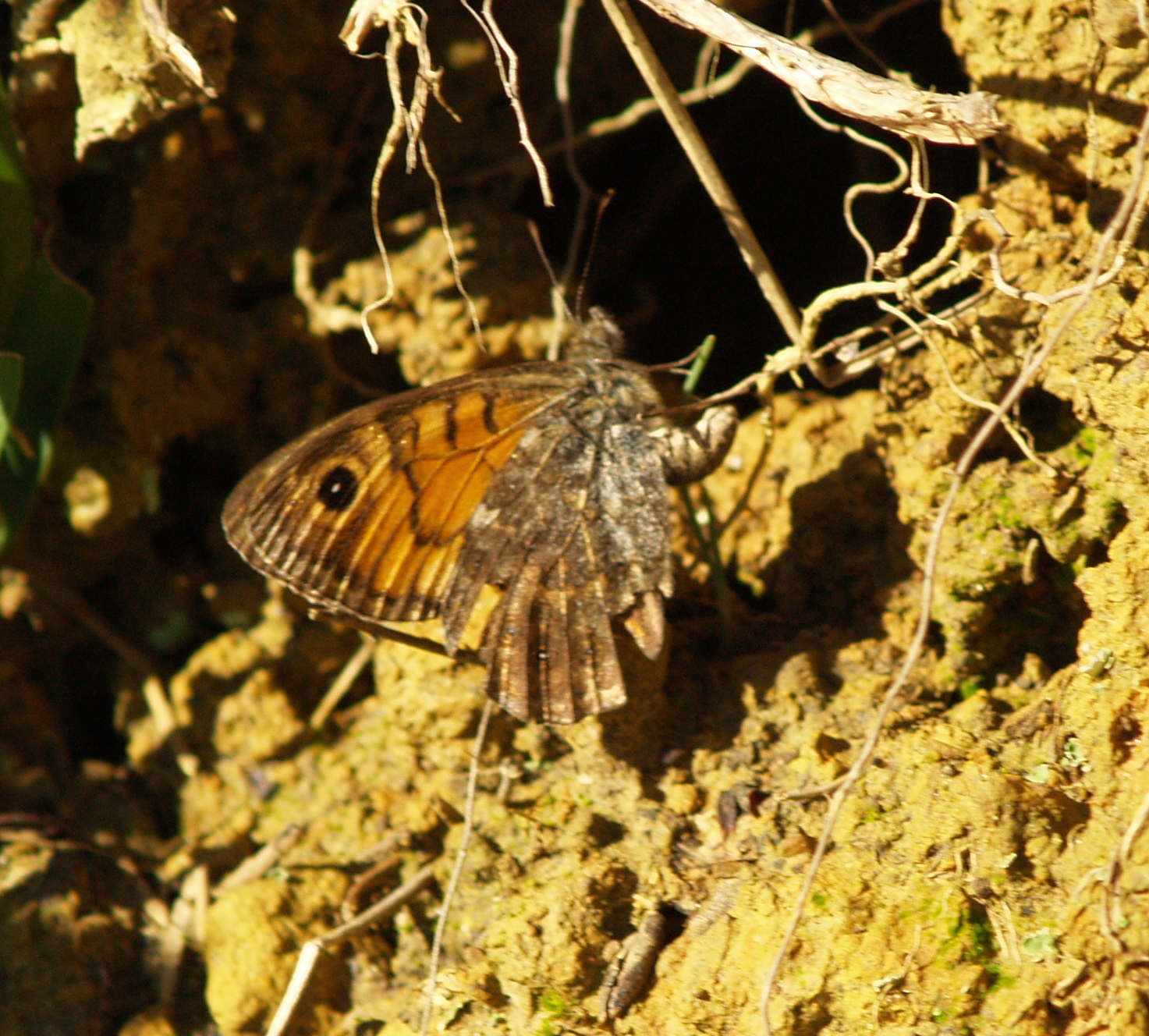
– Pararge aegeria.
– Pieris napi.
– Aglais io.
– Gonepteryx cleopatra.
– Colias croceus.
– Gonepteryx rhamni.
– Coenonympha pamphilus – first for the year.
Species year total — 12 (2015 – 45).
Further Reading
– My sightings for the days on Observation.org.


 Searching for Cullum's Bee